Why this moment can feel difficult
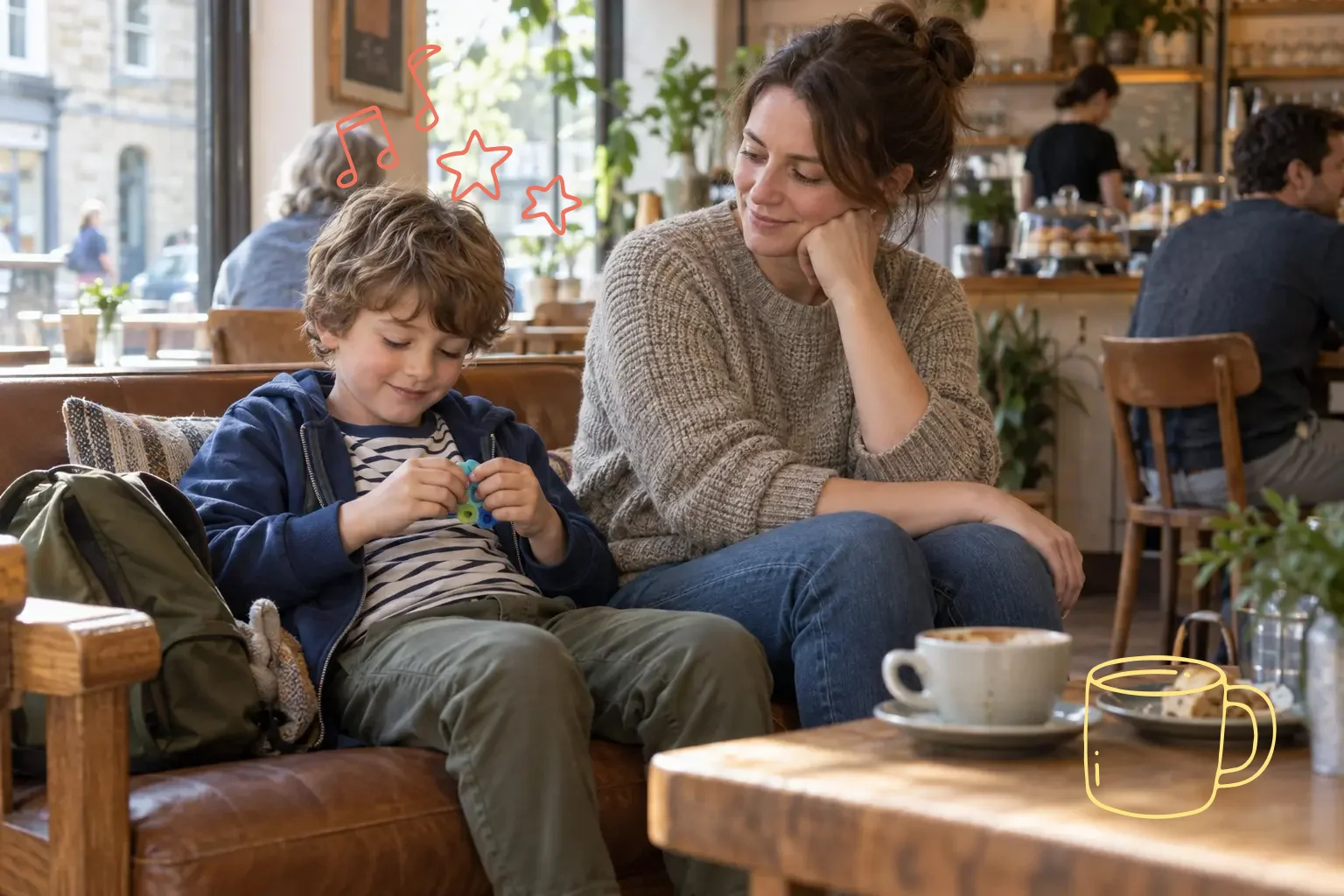
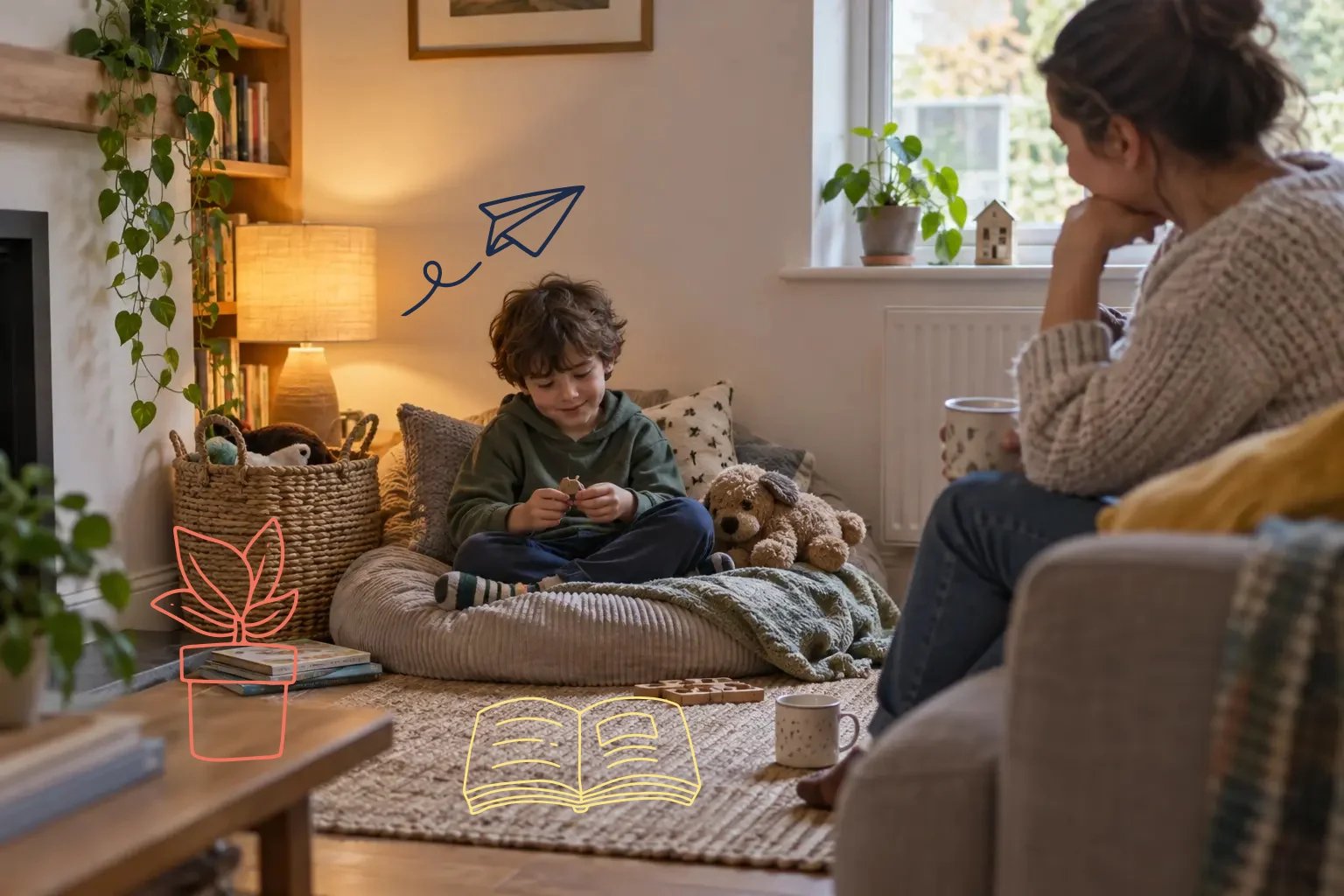
When a child is fidgeting through homework, the answer is not always another reminder to sit still. Their body may be telling us that it needs a change before attention can return.
We keep movement breaks short, visible and easy to finish. The aim is not to tire a child out. It is to give the body useful input, then make the return to the task feel predictable.
1. Make the break visible and finite
An open-ended break can create a second difficult transition when it is time to stop. A visible countdown shows that the pause has a beginning and an end.
The Time Timer MOD lets a child see the remaining time without repeated verbal warnings. Start with a generous break and avoid using the timer as a threat.
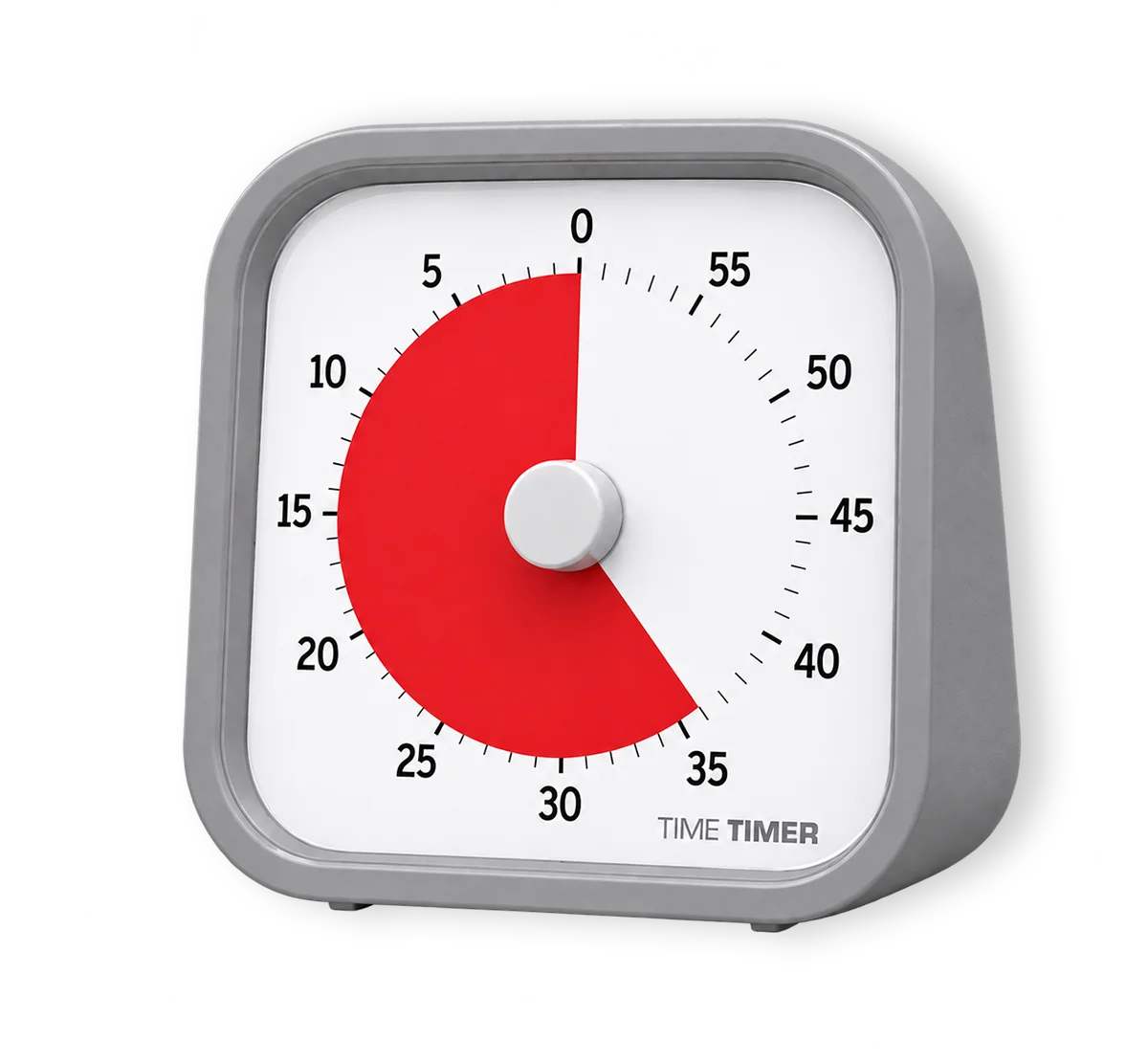
A visual countdown that can make both the movement break and the return easier to anticipate.
View on Amazon2. Use small movement without leaving the table
Some tasks go better when movement is available throughout rather than saved for a separate break. Gentle shifting can be enough for a child who dislikes a completely static chair.
A Junior Wobble Cushion fits onto a seat and can also be used on the floor. Check that the chair is stable and let the child decide whether it helps.
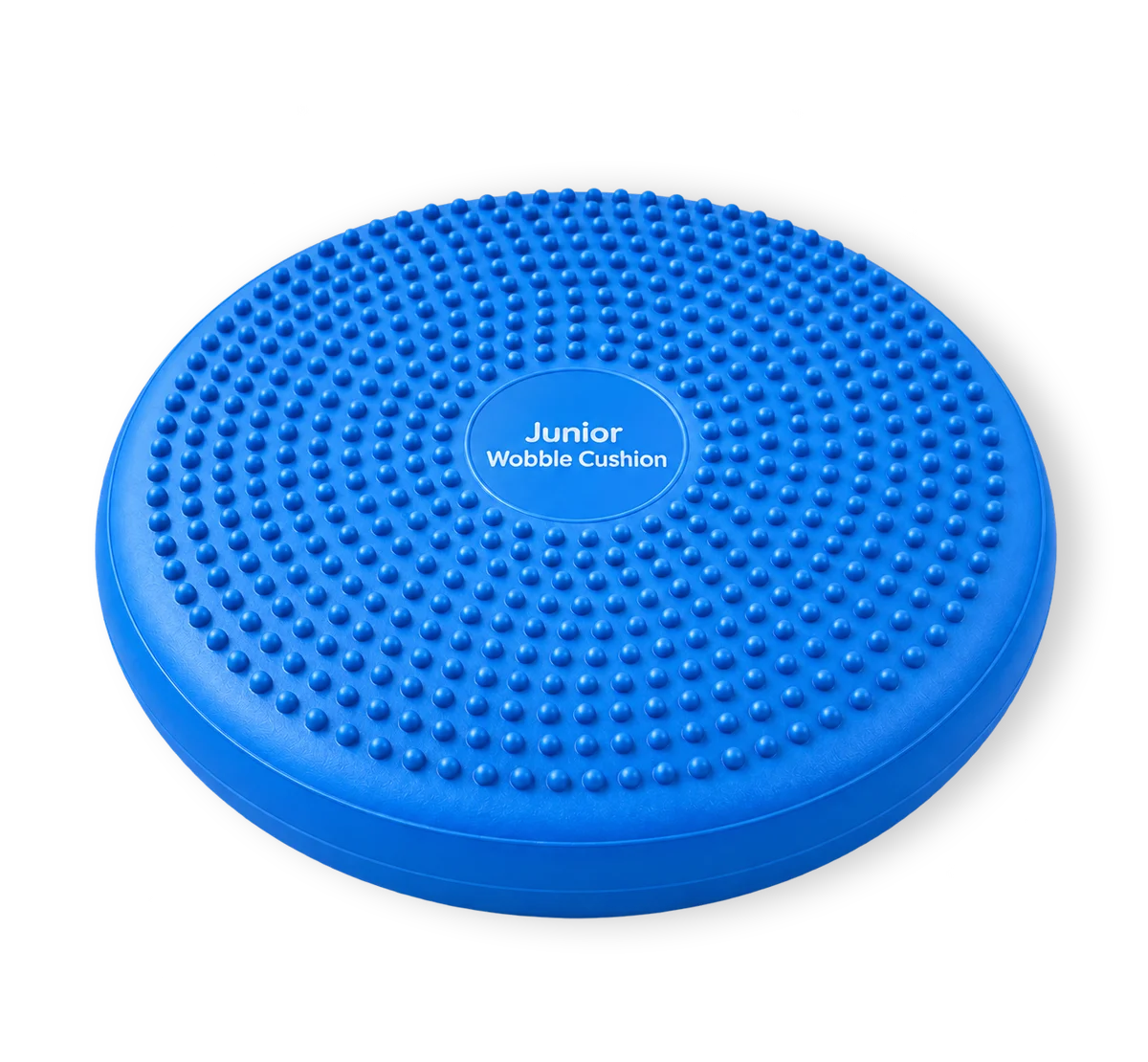
Allows controlled shifting and wobbling during homework, reading or other table-based activities.
View on Amazon3. Try a short balance challenge
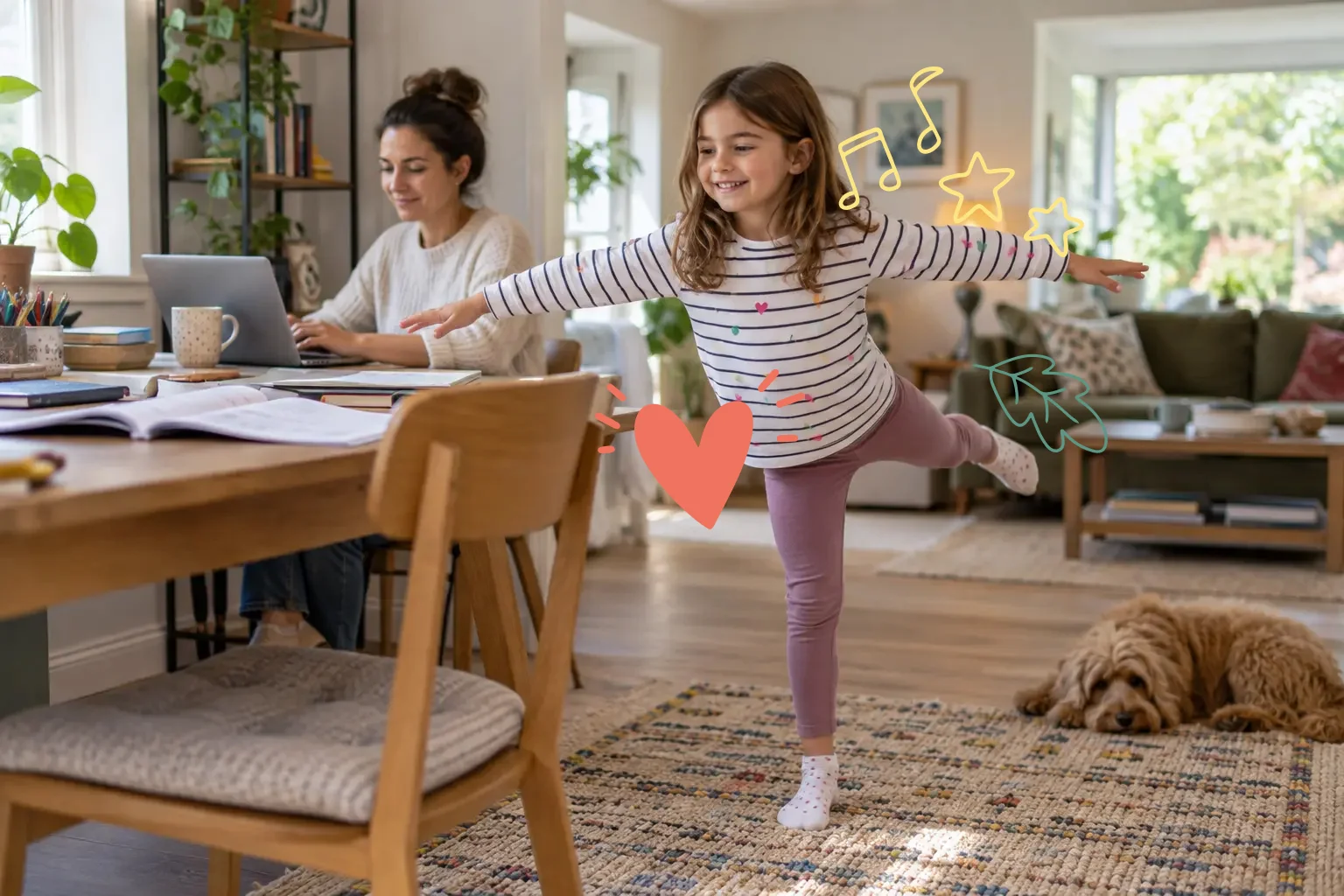
Balancing gives the body a clear job and can create a satisfying pause between two pieces of work. Keep the challenge simple and stop before it becomes frustrating.
A curved Balance Board offers rocking and balance in a compact footprint. Use it on a suitable surface with space around it and adult supervision.
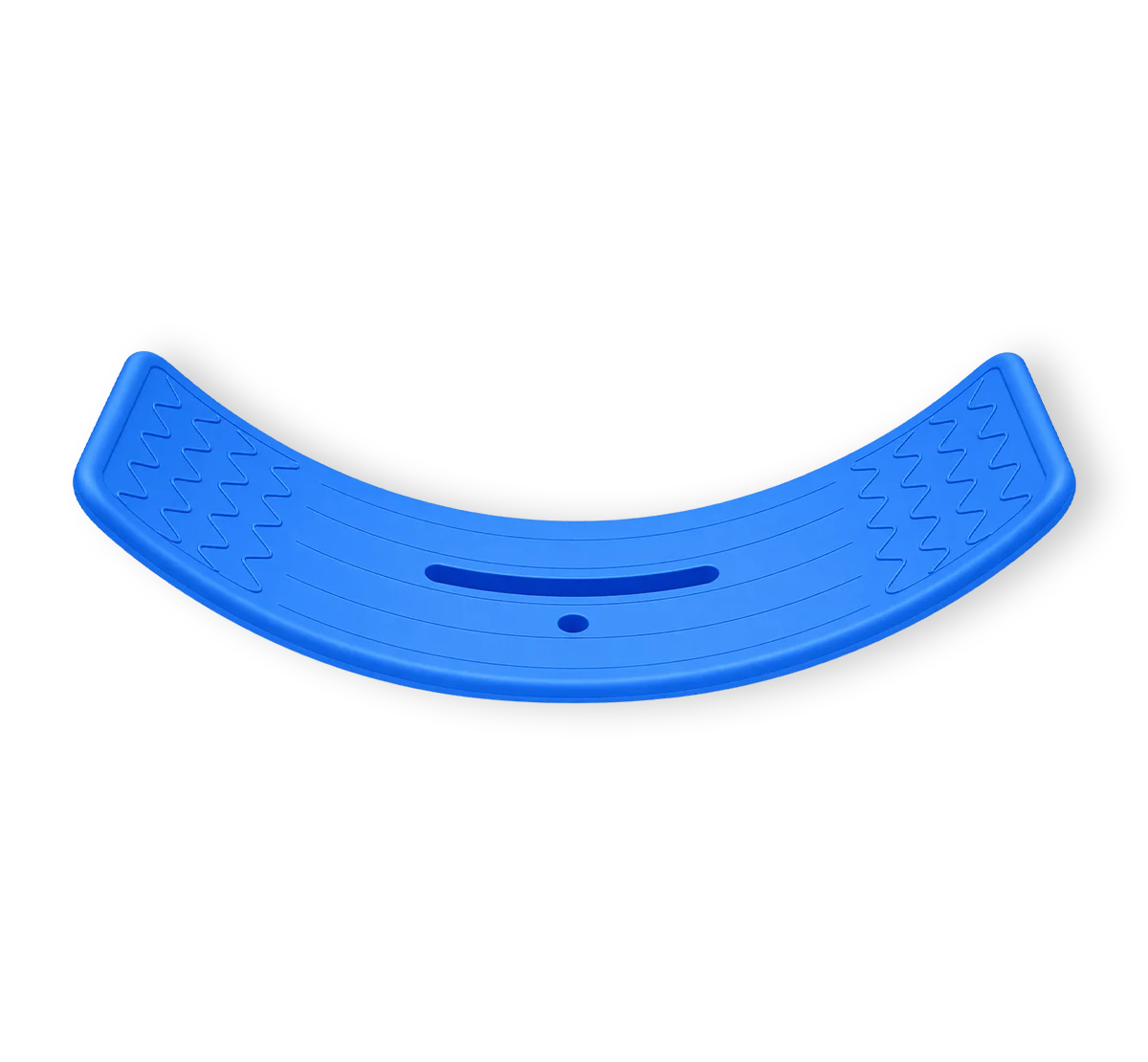
A compact way to add rocking, balance and whole-body movement between seated tasks.
View on Amazon4. Choose something energetic for a quick burst
On days when gentle movement is not enough, a brief energetic activity can provide a clearer change of pace. Counting jumps can also give the break a natural finish.
A Foam Pogo Jumper is light and easy to bring out indoors where space permits. It can be noisy, so it will not be the right choice for every home or every moment.
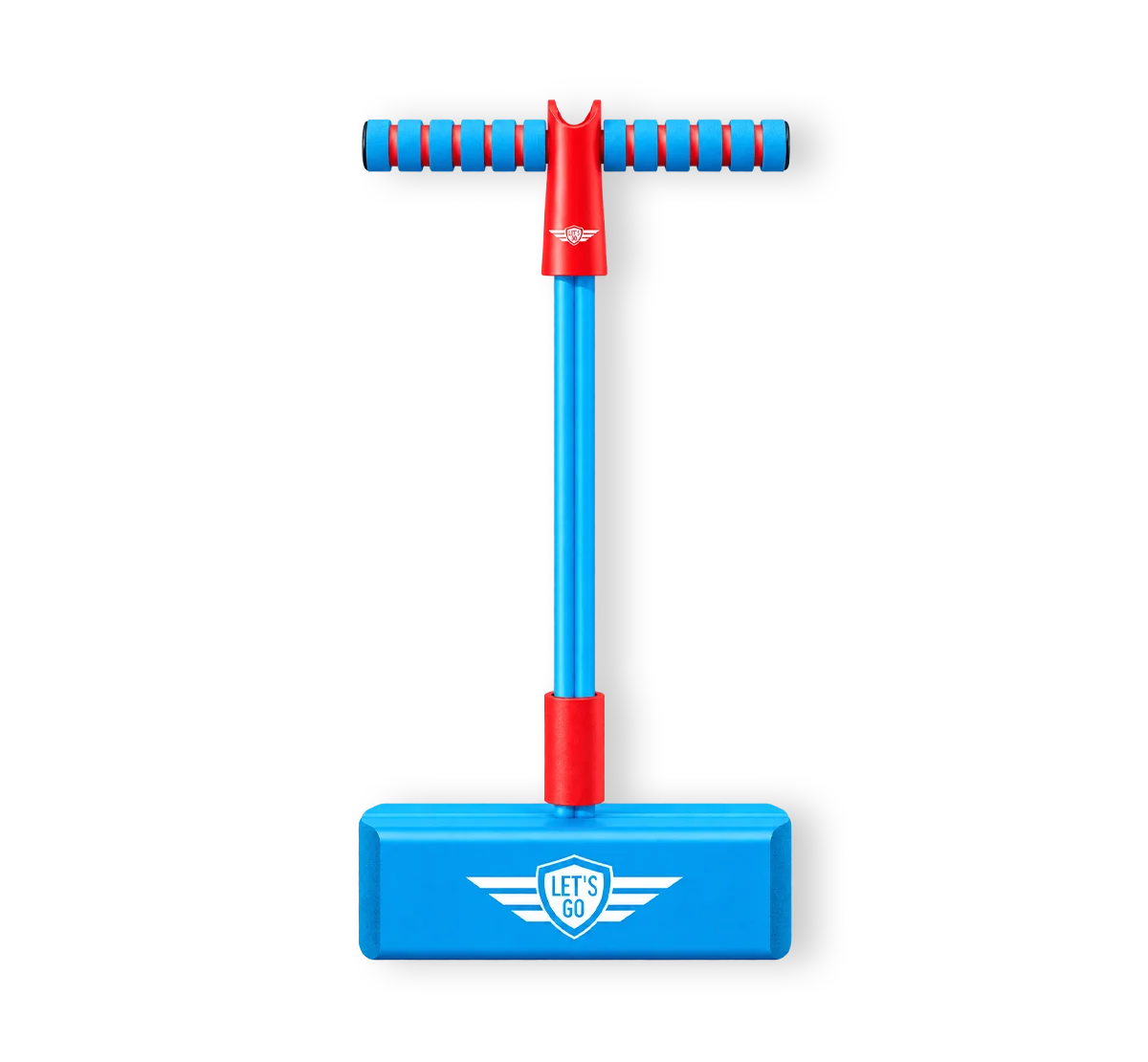
A lightweight jumping toy for short, energetic breaks when a child needs more movement.
View on AmazonMovement is not necessarily a distraction from the task. Sometimes it is what makes returning possible.
Keep it flexible
The best movement break is the one a child can use safely and leave without a battle. That may be thirty seconds of balancing one day and five quiet minutes on a wobble cushion the next.
Watch what happens after the activity. If returning feels easier, it may be a useful tool. If the child becomes more wound up, try something slower or shorten the break.
Looking for something else?
Browse all of our parent-led product recommendations for routines, focus, calm, movement and sleep.
Browse all recommended productsThis is parent-led general information rather than medical advice, and every child is different. This article contains affiliate links. If you buy something through one of these links, we may receive a small commission at no extra cost to you. Read our affiliate disclosure.